Choosing the right snowboard helmet size can make all the difference between a comfortable ride and a distracting, unsafe experience. If your helmet doesn’t fit well, it won’t protect you properly when you need it most.
But how do you know which size is right for you? This guide will show you simple steps to measure your head accurately, so you can pick a helmet that feels just right. Keep reading, and you’ll discover how easy it is to find the perfect fit—because your safety and comfort on the slopes depend on it.
Why Helmet Fit Matters
Wearing the right size snowboard helmet is very important. A helmet that fits well keeps you safe and comfortable. It helps protect your head during falls or crashes. A helmet that is too loose or too tight can cause problems. Knowing why helmet fit matters helps you choose the right one.
Safety And Protection
A helmet that fits snugly stays in place during impact. It reduces the chance of head injuries. A loose helmet can slip or fall off. A tight helmet can cause pain and distract you. Proper fit ensures the helmet absorbs shock correctly. It gives the best protection on the slopes.
Comfort And Performance
Comfort is key for a good ride. A well-fitted helmet feels light and stable. It does not press hard or pinch your head. Comfort helps you focus on snowboarding. A bad fit can cause headaches or skin irritation. Good fit improves your balance and confidence.
Tools Needed For Measurement
Measuring your head for a snowboard helmet is easy with the right tools. These tools help get the size just right. Accurate measurement ensures comfort and safety on the slopes.
Measuring Tape
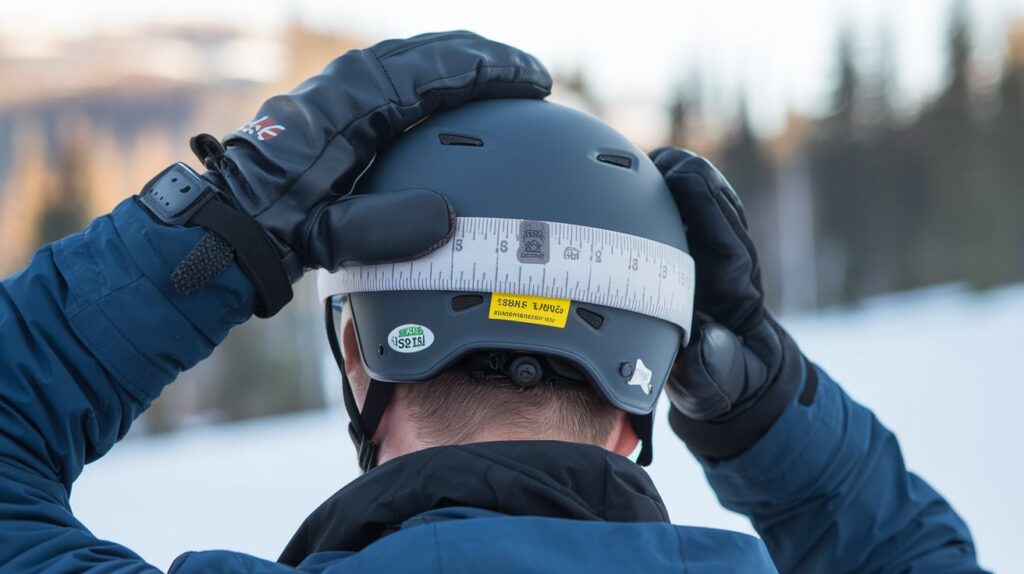
A soft measuring tape is best for this task. It wraps smoothly around your head. Use a cloth or flexible plastic tape for accurate results. Avoid metal tapes as they can be stiff and uncomfortable. Measure around the widest part of your head, just above your eyebrows.
Mirror Or Helper
A mirror helps you see the tape placement clearly. Stand in front of a mirror to check the tape’s position. A helper makes the process easier. They can hold the tape and read the measurement for you. This reduces errors and speeds up the process.
Measuring Your Head Size
Measuring your head size is the first step to finding a snowboard helmet that fits well. A proper fit keeps you safe and comfortable on the slopes. This process is simple and requires only a soft measuring tape.
Finding The Right Position
Place the tape measure just above your eyebrows. Wrap it around the widest part of your head. Make sure it passes over the top of your ears. Keep the tape snug but not tight. Stand in front of a mirror to check the position.
Measuring Circumference
Hold the tape firmly in place. Read the measurement where the tape meets itself. Use centimeters for accuracy. Avoid measuring over hats or thick hair. Take the measurement slowly to get the right size.
Recording Your Measurement
Write down the number immediately. Double-check by measuring twice. Use the larger number if they differ. Keep this number for helmet size charts. Accurate recording helps you pick the best helmet.
Interpreting Helmet Size Charts
Interpreting helmet size charts is key to finding the perfect fit. These charts provide clear measurements to guide your choice. Understanding how to read and use them makes helmet buying easier. It helps avoid common fitting mistakes and ensures safety on the slopes.
Understanding Size Ranges
Helmet size charts usually show ranges in centimeters or inches. These numbers represent the head circumference that fits each size. Sizes often go from small to extra-large, but exact numbers vary. Check your head measurement carefully with a soft tape measure. Match your number to the closest size range on the chart. A snug fit means the helmet is secure without feeling tight.
Comparing Different Brands
Each brand may have slight differences in size charts. What fits as medium in one brand might be large in another. Always review the specific chart for each helmet model. Some brands offer half sizes or adjustable helmets to improve fit. Reading customer reviews can reveal if helmets run small or large. Trying helmets on in stores remains the best way to compare sizes.
Trying On Snowboard Helmets
Trying on snowboard helmets is an important step to find the right size. It helps ensure safety and comfort while on the slopes. Each helmet feels different, so testing several can help you choose the best fit.
A helmet that fits well will protect your head better. It should feel snug but not too tight. Taking time to try it on allows you to check how it feels during movement.
Checking Fit And Comfort
Place the helmet on your head and push it down slightly. It should sit level and cover your forehead. The helmet must not press hard or cause pain.
Shake your head gently. The helmet should stay in place without sliding. If it moves a lot, try a smaller size. If it feels too tight, try a larger one.
Make sure the helmet does not block your vision. Look up, down, and side to side. Your view should stay clear and wide.
Adjusting Straps And Padding
Straps keep the helmet secure on your head. Fasten the chin strap and tighten it until it feels snug. You should be able to open your mouth easily.
Most helmets have extra padding inside. Adjust or remove pads to improve fit and comfort. Padding helps fill gaps and stops the helmet from moving.
Check the side straps too. They should form a “V” shape just below your ears. Proper strap adjustment keeps the helmet stable during rides.
Common Fit Issues And Fixes
Getting the right fit for your snowboard helmet is very important. A helmet that fits poorly can cause discomfort or fail to protect properly. Many riders face two common fit problems: helmets that are too tight or too loose. Each problem has easy fixes to improve comfort and safety.
Helmet Too Tight
A helmet that feels tight can cause headaches and pressure spots. Tight helmets reduce blood flow and make riding unpleasant. To fix this, try loosening the chin strap slightly. Also, adjust the internal padding if possible. Some helmets come with removable pads that you can replace with thinner ones. If the helmet is still too tight, consider a larger size. A slightly bigger helmet with proper adjustment feels better and stays secure.
Helmet Too Loose
A loose helmet moves around and may fall off during a fall. This decreases protection and is unsafe. Start by tightening the chin strap firmly but not too tight. Check if your helmet has an adjustable fit system at the back. Use it to reduce the size inside. You can add extra padding to fill gaps and make the helmet snug. If the helmet remains loose, try a smaller size. A close fit keeps the helmet stable and safe while riding.
Additional Tips For Choosing Helmets
Choosing the right snowboard helmet involves more than just size. Other factors affect comfort and safety. This section covers helpful tips to pick the best helmet for your needs.
Considering Helmet Styles
Helmets come in different styles. Some cover more of your head, while others are lighter. Full shell helmets offer more protection but can feel heavy. Half shell helmets are lighter and better for beginners. Choose a style that fits your comfort and riding style.
Looking For Safety Certifications
Safety certifications show a helmet meets quality standards. Look for labels like ASTM F2040 or CE EN1077. These prove the helmet passed tests for impact protection. A certified helmet gives you trust and peace of mind on the slopes.
Frequently Asked Questions
How Do I Measure My Head For A Snowboard Helmet?
Use a soft measuring tape around your head, about 1 inch above your eyebrows. Measure the circumference in centimeters or inches for accurate sizing.
Why Is Helmet Size Important For Snowboarding?
Proper helmet size ensures comfort, safety, and protection during falls. An ill-fitting helmet can cause discomfort or reduce impact absorption.
Can Helmet Sizes Vary Between Brands?
Yes, sizing can differ slightly between brands. Always check each brand’s size chart and measure your head before buying.
How Tight Should A Snowboard Helmet Fit?
The helmet should fit snugly without causing pressure. It should not move when you shake your head but remain comfortable.
Conclusion
Measuring your snowboard helmet size is simple and important. Use a soft tape to measure your head’s circumference. Measure just above your eyebrows and ears for accuracy. Compare your measurement with the helmet size chart. Choose a helmet that fits snugly but feels comfortable.
A well-fitted helmet protects you better on the slopes. Don’t forget to try it on before buying. Remember, safety and comfort go hand in hand. Taking time to measure right keeps your head safe and warm. Enjoy snowboarding with confidence and peace of mind.